⌨️ Topic: Mechanical Keyboards — After the Hype 📍 Location: Singapore 📅 Written: March 2026
The mechanical keyboard space went through a pretty classic cycle:
innovation → hype → speculation → correction
Peak was probably somewhere around 2019–2022. Boutique studios popping up left and right, endless switch variants, group buys with year-long waits, YouTube sound tests pulling millions of views, builds hitting $1000–$2000. Keyboards stopped being input devices and turned into collectibles, basically.
Now in 2026 things feel different. Community is still around, but the intensity dropped. Market is cooling down.
Cheese Turbulence covers this shift well:
The point is simple — the scene has likely already passed its peak. And what’s happening on the business side confirms it.
🔩 Hardware is brutal#
There’s this perception that keyboard makers are running some hugely profitable operation. Aluminium cases, limited drops, high prices — must be printing money, right?
Not really.
CNC tooling costs, minimum order quantities, logistics, inventory risk, community demand that can vanish overnight. Hardware is just hard. Always has been.
Case in point — Rama Works. One of the most recognizable names in the premium keyboard world. In March 2025 they went into liquidation. If you’ve ever been around hardware startups, this is sadly not shocking.
Good video on the whole story:
A niche market can look huge during hype phase. The actual sustainable demand? Usually much smaller.
🧑💻 Where I stand with keyboards#
I’m not deep in the mechanical keyboard rabbit hole. Lucky, probably — there’s enough dopamine in this hobby to lose your mind completely. New switches, new plates, new mounts, new keycaps. Never ends.
I’m quite happy not dropping $2000 on every new Atelier Magnus build. Those boards look incredible from an industrial design angle, but that’s not where I want my money going.
What I do enjoy is the engineering side of it:
- switch mechanics
- typing acoustics
- stabilizer tuning
- plate materials
- the good old blue tape mod
How small mechanical tweaks change the feel and sound — that part is genuinely interesting to me. I just treat it as tinkering, not collecting.
🇸🇬 Monokei#
This one hits closer to home.
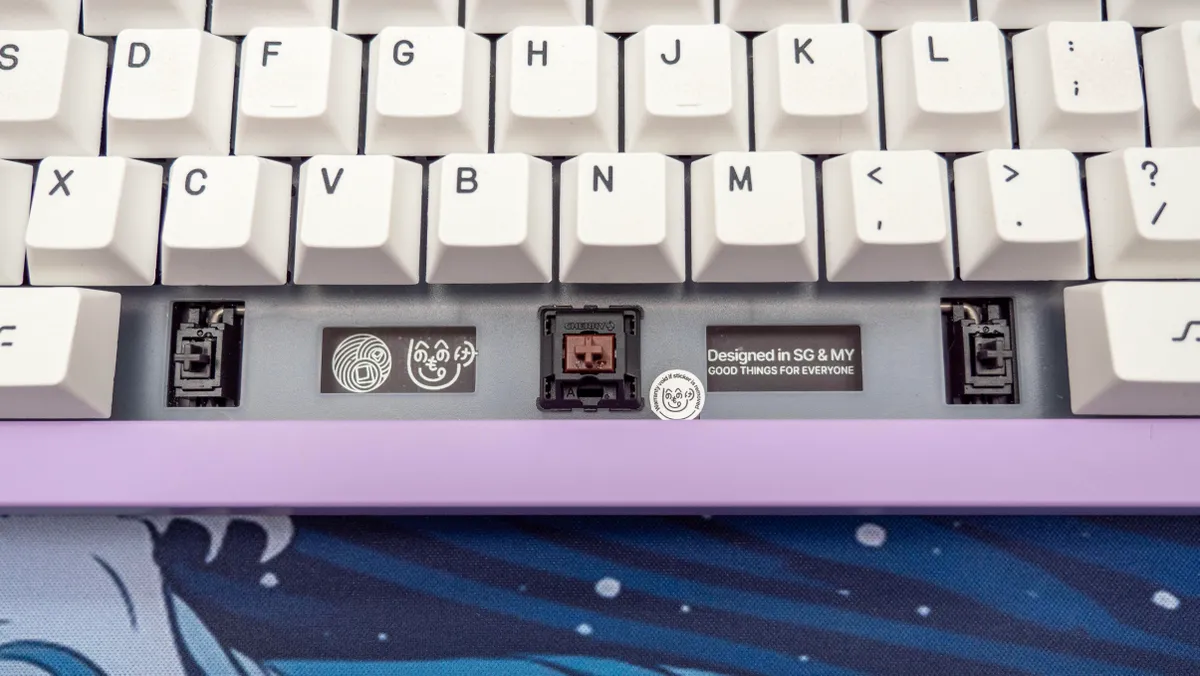
I don’t know the founders personally and I won’t pretend to know the full story. But I fell in love with their design and their whole approach. The slogan on the bottom of the board says it all:
Designed in Singapore & Malaysia — good things for everyone
monokei-standard-series-1-07.webp
Living here in SG, seeing a hardware product actually designed in this region — that just feels good. Not another rebrand from Shenzhen. An actual local team trying to make proper keyboards at a fair price.
I own two Monokei Standard boards. They’re not exotic, not limited edition, nothing fancy. Just solid entry-level mechanical keyboards with honest pricing and clean design. That’s it. And that’s enough.
But Monokei has been going through tough times. I won’t dig into the details here — if you’re curious, Reddit has everything: the drama, the responses, the founders’ side. It’s all there.
What’s clear is that they, like many other small keyboard makers, are struggling. This business is not easy.
🛒 Grab one while you still can#
Right now Monokei is clearing out remaining Standard stock at about $50 SGD.
Fifty bucks. For a proper mechanical keyboard. That’s less than what a set of Cherry MX switches costs on its own.
If you need a decent daily driver keyboard — just get it. And if you want to support a local team that tried to do something real in a hype-driven market — that’s reason enough too.
🔮 After the hype#
Mechanical keyboards aren’t going anywhere. But the scene is shifting from hype to something more stable. Some brands will fold. Some will consolidate. The community will get smaller but probably healthier.
That’s fine. That’s how these things work.
Not affiliated with Monokei or any keyboard brand. Just my take.